
Remote mining sites in Australia face unique operational challenges that demand innovative solutions to boost productivity, efficiency, and safety. One such transformative technology is the integration of Asset Cloud Solutions, which combines asset tracking, inventory management, and cloud computing to deliver clear insights and seamless operations. For mining companies operating across Australia’s vast, often isolated landscapes, adopting a robust Asset Management system powered by cloud technology can revolutionise asset control and operational workflows.
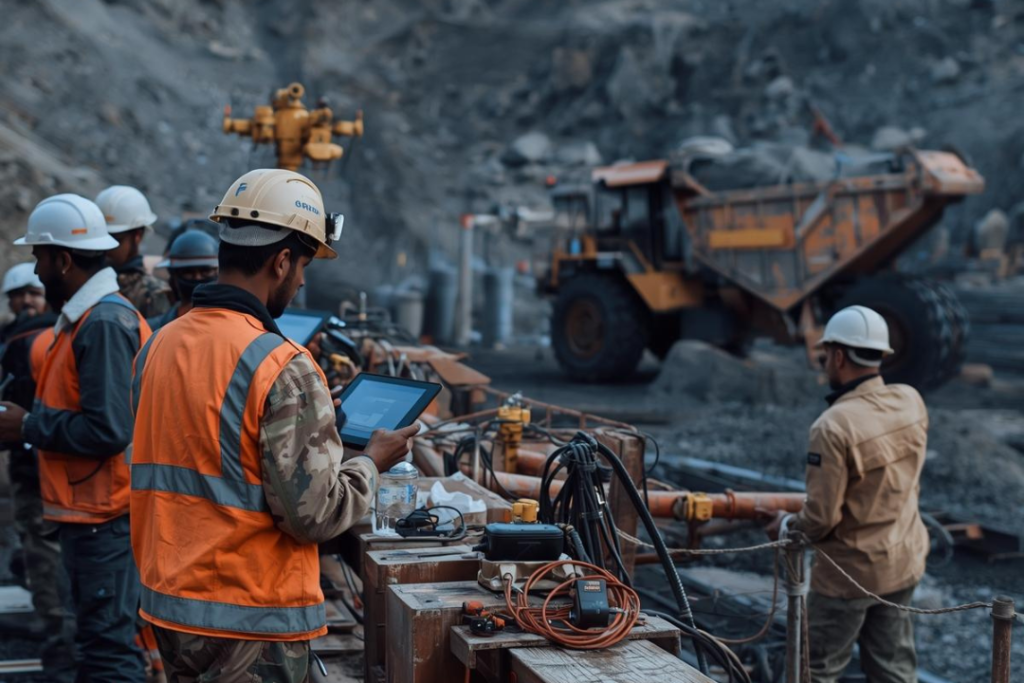
The Challenges of Remote Mining Operations
Mining sites located hundreds or thousands of kilometres from urban centres face issues such as limited physical access, scarce on-site manpower, complex logistics, and difficulty tracking valuable equipment and supplies. These challenges can lead to increased downtime, asset loss, and inefficient resource use, all of which affect profitability.
Implementing advanced digital systems like cloud-based asset and inventory management offers a solution by providing visibility and control without the need for a large on-site IT infrastructure or constant physical monitoring.
What is Cloud Asset Management?
Cloud asset management refers to managing assets digitally over the internet through a cloud-based platform. The system allows mining operators to track, monitor, and maintain their equipment and resources from any location using web browsers or mobile devices. This eliminates the need for traditional on-premise servers and manual tracking processes, which are costly and prone to error.
Certain cloud asset management tools provide 360-degree visibility of assets, automate maintenance scheduling, and enable live asset tracking through barcode and RFID technologies. Users can manage asset allocation, track locations, and receive alerts on asset movement or upcoming maintenance, all in a secure, scalable cloud environment.
Benefits of Asset Cloud Solutions in Mining
- Track Asset From Anywhere, Anytime
With asset tracking software integrated into a cloud platform, mining operations can locate and monitor equipment across multiple remote sites instantly. This clear visibility reduces asset losses and theft, improves accountability, and helps maintenance teams prioritise service schedules to avoid unexpected breakdowns.
- Manage Multi-Quantity Assets
The multi-quantity asset feature provides your organisation with a fast and effective solution to consolidate and track how many identical assets you have – without tracking each individual item. This cloud-based solution can make tracking valuable assets easier for everyone.
- Streamlined Maintenance and Financial Asset Management
Cloud asset management platforms enable automated maintenance alerts and work order scheduling, which extends asset lifespan and enhances operational safety. Combining this with financial asset management systems helps mining companies track asset depreciation, optimise budgeting for replacements, and ensure compliance with financial audits.
- Cost Efficiency and Scalability
By eliminating the need for physical IT infrastructure, cloud systems significantly reduce overhead costs. They offer scalability to accommodate growing asset portfolios or additional mining sites effortlessly, enabling businesses to pay only for the resources they use.
- Mobility and Ease of Access
Mining managers and operatives can access asset information and update records via mobile devices from anywhere. This mobility improves operational agility and decision-making speed, critical for remote sites where timely responses are essential.
Real-World Impact on Australian Mining
Australian mining companies that have embraced cloud asset management report significant improvements in operational efficiency. The ability to track equipment movement and maintenance schedules remotely reduces downtime and improves compliance with safety regulations. Moreover, cloud-based inventory platforms optimise stock management, align procurement with actual usage, and support environmental sustainability by reducing waste.
Frequently Asked Questions (FAQs)
An asset management system is a digital platform that helps track, monitor, and manage physical assets such as machinery, tools, and equipment. In mining, it works by using technologies like barcodes and RFID tags to digitally record asset location, condition, maintenance history, and allocation, accessible anytime via cloud software.
Asset tracking software provides clear visibility of assets regardless of location, reducing time wasted searching for equipment, preventing loss or theft, and enabling timely maintenance. This leads to less downtime and smoother operations.
Cloud asset management removes the need for expensive on-site servers and maintenance, while offering flexible access from any device with an internet connection. It enables easy scalability as your asset base grows, supports seamless collaboration across multiple locations, and provides automated updates and notifications that reduce manual effort. Compared to traditional methods, cloud platforms also centralise data in one unified dashboard, making tracking, reporting, and decision-making more efficient.
Reputable cloud asset management solutions, like those provided by Technosource, use secure servers (e.g., AWS) and encryption to protect data. They also offer role-based access controls to ensure only authorised personnel can view or modify sensitive information.
Cloud asset management systems can track a wide range of assets, including heavy machinery, vehicles, tools, safety equipment, and inventory items like spare parts and materials. This comprehensive tracking improves utilisation and reduces losses.
By providing live location and condition data of equipment, asset tracking software helps prevent accidents caused by misplaced or malfunctioning machinery. It also supports compliance with safety inspections and timely maintenance.
Many cloud asset management solutions are designed to work with intermittent connectivity by storing data locally and syncing automatically when a connection is available. Hybrid cloud and edge computing approaches also enhance performance in remote mining sites.
spare parts, and stock levels to optimise procurement and usage. An asset management system tracks physical fixed assets, managing their lifecycle, maintenance, and allocation.
Financial asset management systems use data from cloud asset management platforms to monitor asset depreciation, book value, and lifecycle costs. This integration supports budgeting, financial reporting, and asset replacement planning. It can be done via REST API.