

Stock Control Software for High-Volume Warehouse Operations
In warehouse environments, operational speed means little without inventory accuracy. As operations scale across warehouses, distribution networks, and supply chains, businesses require stock control software that delivers more than inventory tracking alone. Connected warehouse workflows, reliable operational data, and stronger inventory oversight have become essential for maintaining fulfilment efficiency, inventory accountability, and consistent decision-making across the organisation.
For organisations managing high transaction volumes or multi-site operations, this level of oversight strengthens operational governance while reducing delays, reporting inconsistencies, and process ambiguity. It is particularly critical across logistics, healthcare, mining, manufacturing, retail, and infrastructure sectors where inventory accuracy directly influences fulfilment reliability, customer commitments, and financial performance.
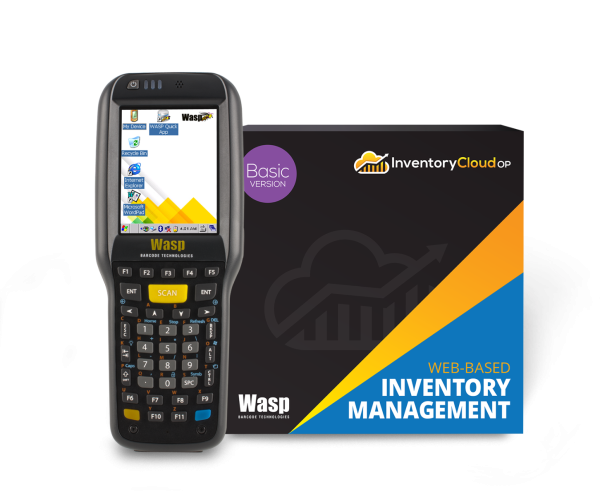
One such solution is Wasp Inventory – Cloud, a cloud-based inventory management platform that combines barcode-enabled inventory control, warehouse mobility, real-time stock visibility, and multi-site inventory management within a single system.
TechnoSource supports more than 250 organisations across Melbourne, Australia, and the wider APAC region with scalable stock control software solutions designed for complex warehouse and operational environments.
Why Stock Visibility Directly Impacts Business Performance
For many organisations, inventory represents a significant operational investment, yet stock management processes often remain fragmented across spreadsheets, disconnected systems, or manual workflows.
When inventory data cannot be trusted, procurement becomes reactive, fulfilment slows, and operational planning becomes harder to manage consistently. Modern stock control software provides a centralised view of stock movement, availability, and warehouse activity, helping businesses maintain greater control across procurement, warehousing, and distribution operations.
Accurate inventory data supports:
- Better forecasting and replenishment planning
- Reduced overstocking and excess holding costs
- Faster order fulfilment
- More reliable cross-department reporting
- Stronger inventory accountability across locations
Moving Beyond Spreadsheet-Based Inventory Management
Many businesses outgrow manual inventory processes long before they realise the operational cost involved.
Spreadsheets may appear manageable in smaller environments, but as inventory volumes, locations, suppliers, and transaction frequency increase, manual systems introduce delays and inconsistencies that affect the wider business.
Stock control software reduces dependency on manual data entry by embedding inventory updates directly into operational workflows. Barcode scanning, mobile transaction processing, and automated reporting help ensure inventory data reflects real-time activity across warehouse operations.
This creates stronger consistency between physical stock movement and system records, improving both inventory accuracy and reporting reliability. Consistent barcode identification also becomes increasingly important as warehouse operations scale, particularly in environments managing large inventory volumes or complex warehouse workflows.
Stock Control Software in High-Volume Warehouse Environments
In warehouse operations, speed without accuracy creates risk, while accuracy without operational efficiency slows fulfilment and increases labour pressure.
Modern warehouse workflows increasingly rely on integrated inventory systems that support receiving, put-away, picking, dispatch, stock transfers, and cycle counts within a connected operational environment. Mobile devices, barcode scanning, and real-time updates allow warehouse teams to process inventory movements efficiently while maintaining accurate records.
For organisations managing high transaction volumes, this level of oversight becomes essential. Managers gain immediate insight into stock availability, movement history, location data, and operational bottlenecks without relying on delayed manual reporting. Structured transaction histories also strengthen accountability by recording stock movements, adjustments, transfers, and user activity across teams and locations.
Stock control software additionally supports process standardisation by helping maintain consistency in inventory workflows, reporting structures, and stock handling procedures across sites.
This is particularly valuable in industries such as:
- Logistics and Distribution
- Manufacturing
- Retail and eCommerce
- Healthcare and Medical Supply Management
- Mining and Field Operations
- Construction and Infrastructure
As operational complexity increases, businesses require systems that support operational consistency while remaining adaptable to changing supply chain and warehouse demands.
Supporting Smarter Procurement and Financial Planning
Stock control affects more than warehouse operations. It also directly influences procurement decisions, working capital, and financial planning.
Without accurate inventory visibility, businesses often compensate by carrying excess stock to reduce the risk of shortages. Over time, this increases storage costs, ties up capital, and creates additional risk around obsolete or slow-moving inventory.
Stock control software improves procurement visibility by providing accurate stock levels, usage trends, and replenishment data in real time. This allows procurement teams to make more informed purchasing decisions while reducing unnecessary stock holding.
For finance teams, accurate inventory data also supports:
- Improved stock valuation accuracy
- Better forecasting and budgeting
- Reduced write-offs and inventory discrepancies
- More reliable audit preparation
- Greater accountability across inventory movement
When inventory information becomes reliable across departments, operational and financial planning become significantly more aligned. This is particularly important for Australian organisations managing complex supply chains, distributed warehousing, or project-based operations where procurement delays and stock inaccuracies can directly affect operational continuity.
Managing Inventory Accuracy During Operational Disruption
Supply chain disruptions, vendor delays, labour shortages, and demand fluctuations have increased pressure on businesses to maintain tighter control over inventory operations. In these conditions, delayed or inaccurate stock data can quickly affect fulfilment, procurement planning, customer service levels, and overall operational performance.
Stock control software helps organisations respond more effectively by providing real-time visibility into inventory availability, movement, replenishment requirements, and stock accuracy across locations. Rather than relying on delayed reporting or manual reconciliation, businesses can make faster operational decisions based on current inventory data.
Platforms such as Wasp Inventory – Cloud support this visibility through barcode-enabled inventory management, mobile transaction processing, and real-time stock updates across warehouse operations.
By maintaining stronger inventory accuracy over time, organisations can improve fulfilment reliability, strengthen inventory governance, reduce reconciliation effort, and respond more effectively to operational disruption.
Why System Integration Is Critical for Stock Control Software
One of the most common mistakes businesses make when selecting stock control software is focusing on features without considering operational integration. The effectiveness of a stock management platform depends on how well it fits within existing workflows and business systems.
Inventory data should not operate in isolation. Integration with procurement, ERP, accounting, fulfilment, and operational systems helps maintain consistent data across the organisation while reducing duplication and disconnected processes.
Modern stock control software solutions increasingly integrate through APIs and cloud-based infrastructure, enabling better visibility across operational and financial functions. This becomes even more valuable when connected alongside asset tracking, barcode scanning, and warehouse mobility solutions within a unified operational ecosystem.
For growing organisations, scalable integration capabilities often deliver greater long-term operational value than feature-heavy systems operating in isolation.
What Businesses Should Evaluate Before Choosing Stock Control Software
Not all inventory environments operate the same way. Businesses selecting stock control software should evaluate solutions based on operational fit rather than generic functionality alone.
Key considerations often include:
Mobility and Scanning Capabilities
Mobile access and barcode-enabled workflows improve processing speed while reducing manual handling errors.
Scalability
The system should support future growth without requiring major operational restructuring as inventory complexity increases.
Integration Flexibility
The ability to connect with ERP, accounting, and operational systems helps maintain consistent data across the organisation.
Multi-Site Inventory Visibility
For organisations operating across multiple warehouses, distribution centres, or operational locations, the ability to manage inventory through a centralised platform becomes increasingly important. Consistent visibility across sites supports better stock allocation, reporting, and decision-making.
Reporting and Audit Readiness
Inventory data should support operational reporting, inventory valuation, transaction traceability, and audit requirements. Strong reporting capabilities help organisations improve accountability while reducing administrative effort.
User Adoption and Workflow Alignment
Even the most capable system delivers limited value if it does not fit naturally into existing warehouse processes. Businesses should assess how easily the platform can be adopted by warehouse teams, inventory managers, and operational staff.
The goal is not simply implementing software, but establishing a stock management framework that supports operational stability and long-term efficiency.
Why Businesses Are Moving Towards Cloud-Based Stock Control
Cloud-based systems are increasingly becoming the preferred approach for businesses requiring greater flexibility, accessibility, and multi-site inventory visibility. Unlike traditional on-premise systems, cloud-based stock control software enables real-time access to inventory data across warehouses, retail locations, and operational sites.
This is particularly valuable for businesses operating distributed or fast-moving supply chains where inventory visibility directly affects fulfilment, coordination, and operational responsiveness. Cloud infrastructure also simplifies scalability, software updates, and remote operational management while reducing reliance on extensive internal IT infrastructure.
Cloud-based inventory management also provides a more adaptable foundation for long-term operational growth. Many businesses integrate stock control software with RFID asset tracking systems to strengthen visibility across high-volume or high-mobility inventory environments.
For organisations operating across Melbourne, Sydney, Brisbane, Perth, and regional Australia, cloud-based stock control software improves visibility between warehouses, field teams, and distributed operational sites without increasing infrastructure complexity.
Building More Resilient Inventory Operations
Inventory management is no longer simply about counting stock. It plays a direct role in operational continuity, fulfilment reliability, cost control, and overall business performance.
The right stock control software creates a more structured operational environment where inventory visibility, reporting accuracy, and workflow efficiency support day-to-day operations at scale. As supply chains become more complex, businesses increasingly require systems that improve inventory accountability while maintaining operational flexibility across warehouses, distribution centres, and inventory locations.
At TechnoSource, we help organisations across Melbourne, Australia, and the wider APAC region implement stock control software solutions such as Wasp Inventory – Cloud, aligned with their operational requirements and warehouse workflows. Whether supporting multi-site inventory operations, warehouse automation, or integrated stock visibility, our focus remains on helping organisations improve inventory accuracy, operational efficiency, and decision-making across complex warehouse and supply chain environments.
Looking to improve inventory visibility and warehouse efficiency? Connect with TechnoSource to explore stock control software solutions designed for modern warehouse operations across Australia.
Frequently Asked Questions
How does stock control software improve warehouse performance?
Stock control software improves warehouse performance by reducing manual inventory handling, improving stock accuracy, and creating more consistent workflows across receiving, picking, dispatch, and replenishment operations. This supports faster fulfilment and stronger inventory accountability across warehouse environments.
What should businesses prioritise when selecting stock control software?
Operational fit is often more important than feature volume alone. Businesses should evaluate scalability, integration capabilities, mobility support, reporting structure, and how effectively the platform aligns with existing warehouse and supply chain workflows.
Can stock control software integrate with ERP and accounting systems?
Yes. Modern stock control software solutions are designed to integrate with ERP, procurement, accounting, and fulfilment systems through APIs and cloud-based infrastructure, helping maintain consistent inventory data across the organisation.
Why are businesses moving towards cloud-based stock control systems?
Cloud-based platforms provide greater flexibility, remote accessibility, and multi-site inventory oversight without the infrastructure limitations of traditional on-premise systems. This is particularly valuable for organisations managing distributed warehouses or fast-moving supply chains across Australia.
How does stock control software support inventory accuracy?
Through barcode-enabled workflows, mobile transaction processing, cycle counting, and real-time inventory updates, stock control software helps reduce manual errors while maintaining stronger consistency between physical stock and system records.
What is Wasp Inventory – Cloud used for?
Wasp Inventory – Cloud is used to manage inventory visibility, stock movements, barcode-enabled workflows, and multi-site inventory operations through a centralised cloud-based platform.