Precision Labelling & Asset Tagging Solutions in Melbourne
In a business environment where traceability, regulation and downtime matter more than ever, the right labelling hardware is a strategic asset. Whether you’re marking equipment in a warehouse, tagging IT assets at a corporate campus or ensuring compliance across multiple facilities, quality labels and printing systems are the foundation of every strong asset control workflow.
At TechnoSource, we supply high-performance labelling products, from asset tags in Melbourne to industrial-grade label printers, carefully matched to the way Australian organisations track and manage assets today.
Why Labels Matter in Asset & Inventory Management
Across many organisations, inefficiencies often stem from a single issue: assets that can’t be clearly identified, traced, or audited. A well-designed label solves that problem at its source. Whether it’s a barcode, a 2D code, or a purpose-built asset tag, the label becomes the gateway to accurate tracking, maintenance scheduling, compliance, and lifecycle oversight.
Businesses that introduce structured tagging systems consistently report fewer misplaced assets, tighter audit control, and simplified day-to-day operations. Durable materials ensure performance even in harsh conditions, making direct thermal labels and high-quality asset labels in Melbourne indispensable for modern asset management.
Understanding Labeling Technologies and When to Use Them
Selecting the appropriate label and printing system requires careful consideration of the operating environment, expected label lifespan, and the specific demands of your asset management framework.
Direct Thermal vs. Thermal Transfer
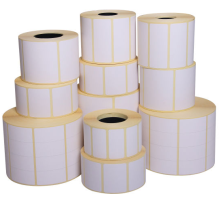
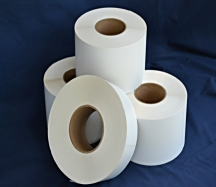
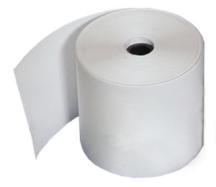
A direct thermal label is produced using heat-sensitive media that darkens when exposed to the printhead. This method is well-suited to fast, economical printing where the label is intended for short-term use. However, direct thermal outputs are susceptible to fading when exposed to sunlight, high temperatures, or abrasive conditions.
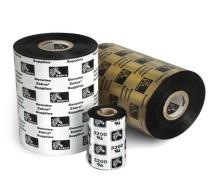
Thermal transfer printing, on the other hand, uses a ribbon to apply wax or resin onto the label surface. The result is a far more durable print, making it the preferred choice for long-term identification of outdoor equipment, industrial tools, or any asset subject to regulatory scrutiny or continuous handling.
Selecting the Appropriate Label Type
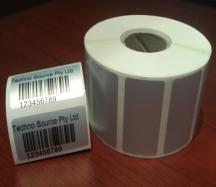
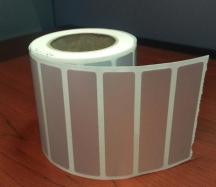
When referring to asset tags in Melbourne, the expectation is a label engineered for mission-critical performance. These include polyester or aluminium-backed tags, tamper-evident materials, and laminated surfaces capable of withstanding abrasions, cleaning agents, environmental fluctuations, and high-touch usage.
Conversely, less demanding applications, such as office inventory, shelf marking, or short-cycle stock identification, can typically rely on standard direct thermal printing labels, provided the environmental exposure remains controlled.
Printers and Label Printing Hardware
Choosing a suitable label printer involves evaluating print resolution, output speed, build quality, and the connectivity modes required within your operational environment. While compact desktop printers may be appropriate for administrative areas, high-volume industrial units or mobile printers may be more suitable for warehouses, production facilities, or field-based operations.
Ultimately, the effectiveness of your labelling strategy depends on selecting printing hardware and media that align precisely with your usage patterns, environmental conditions, and asset tracking objectives.
Why Choose Direct Thermal Labeling for Efficiency
Direct thermal technology remains a practical and widely adopted option for organisations that prioritise speed, simplicity, and cost-efficient printing. It is particularly effective in environments where labels have a shorter required lifespan and must be produced quickly and consistently.
Direct thermal systems offer several operational advantages:
No ribbon requirements: Reducing consumables, procurement complexity, and maintenance efforts.
Fast, on-demand printing: Ideal for scenarios where labels must be generated immediately, such as dispatch areas, temporary workstations, or field-based applications.
Lower overall operating cost: Equipment and media costs remain comparatively economical for moderate-life asset identification.
Streamlined workflows: Fewer moving parts and consumables make daily use more efficient for teams across warehousing, retail, logistics, and office environments.
In controlled indoor environments, direct thermal printing labels offer a compelling balance of cost, print quality, and operational efficiency, making them a strong fit for many enterprise workflows.
However, direct thermal labels can be sensitive to factors such as heat, UV exposure, abrasion, and chemical contact. For long-term applications such as vehicle fleets, outdoor tools, compliance-critical records, or in harsh industrial environments, additional durability may be required.
The ROI of Investing in Quality Labels & Printing Systems
When assessing the total cost of ownership of your assets, spanning maintenance, utilisation, downtime, compliance, and audits, the strategic value of a robust labelling framework becomes unmistakable. High-quality labels and printing systems form the backbone of accurate asset identification and dependable operational visibility.
Reduced search and retrieval time
When assets are consistently labelled, scanned, and recorded, the time spent locating equipment decreases dramatically, enabling teams to focus on core operational tasks rather than manual searches.
Minimised losses and improved accountability
Clear, durable asset tags reduce the likelihood of misplacement, accidental mix-ups, and theft. Every item becomes traceable, strengthening internal accountability across departments.
Greater audit efficiency
Replacing manual checks with machine-readable identifiers transforms audits from multi-day exercises into streamlined, high-confidence verification processes. This is particularly valuable for regulated sectors or organisations with large asset portfolios.
Lower lifecycle and maintenance costs
With structured labelling in place, assets move, are serviced, and are retired according to accurate, real-time data. This reduces wastage, prevents premature replacements, and supports data-driven maintenance strategies.
Connect with TechnoSource to Explore Labelling Solutions
In asset-intensive operations, labels do far more than display information. Apart from enabling clarity, they also ensure accountability and compliance. With the right combination of durable media, high-quality printers, and a structured tagging approach, your organisation gains the visibility required to operate with confidence.
At TechnoSource, we help organisations across Australia implement reliable, scalable labelling systems that support every stage of asset and inventory management. Whether you’re sourcing asset tags in Melbourne, assessing direct thermal printer label options, or narrowing down the best label printer for your business, we guide you toward solutions that align with your goals.
Speak with TechnoSource and explore hardware and supplies designed to elevate how your organisation manages assets.
Frequently Asked Questions
How are direct thermal and thermal transfer labels different?
Direct thermal labels are heat-sensitive and ideal for short-term applications, while thermal transfer labels use a ribbon to create longer-lasting, highly durable prints suitable for industrial or outdoor environments.
How long do direct thermal printing labels typically last?
Direct thermal labels are best for short- to medium-term use. In controlled indoor environments, they can last several months. For harsh or outdoor conditions, thermal transfer labels are recommended.
Are asset tags in Melbourne suitable for outdoor or heavy-duty environments?
Yes. Asset tags can be produced using polyester, anodised aluminium, tamper-evident materials, or laminated surfaces designed to withstand abrasion, heat, cleaning agents, and outdoor exposure.
Which label printers work best for high-volume asset tagging?
Industrial label printers with fast print speeds, high-resolution output, and durable construction are ideal for large-scale operations. For field work or lower volumes, compact desktop or mobile label printers may be sufficient.
Can I use the same printer for both direct thermal and thermal transfer labels?
Many modern label printers support both methods. However, it depends on the model. Ensure the printer can accommodate ribbons if you require thermal transfer printing.
Do labels integrate with asset tracking or inventory management systems?
Absolutely. Labels are designed to sync seamlessly with barcode-based or RFID-enabled systems, ensuring every scan updates your asset or inventory software in real time.
What factors determine the best label type for my business?
Consider environmental exposure, expected label lifespan, print volume, asset value, regulatory requirements, and the capabilities of your chosen label printer.
Does TechnoSource offer support for choosing the right labels and printers?
Yes. We help evaluate your operational needs, recommend suitable hardware and supplies, and ensure compatibility with your broader asset and inventory workflows.